

As sustainability expectations continue to evolve, project teams are under increasing pressure to demonstrate not only compliance, but how buildings are likely to perform in operation. With the introduction of BREEAM Refurbishment and Fit Out (RFO) Version 7 and New Construction Version 7.1, achieving strong sustainability outcomes increasingly relies on considering building performance at the earliest stages of design.
While achieving BREEAM certification remains an important project objective, the decisions required to secure credits can also support broader ambitions around operational energy, carbon reduction and occupant wellbeing. By engaging with digital engineering specialists early, project teams can optimise building performance from the start. We spoke to Associate Director, Jayesh Patel, about the importance of early engagement for both BREEAM and building performance.
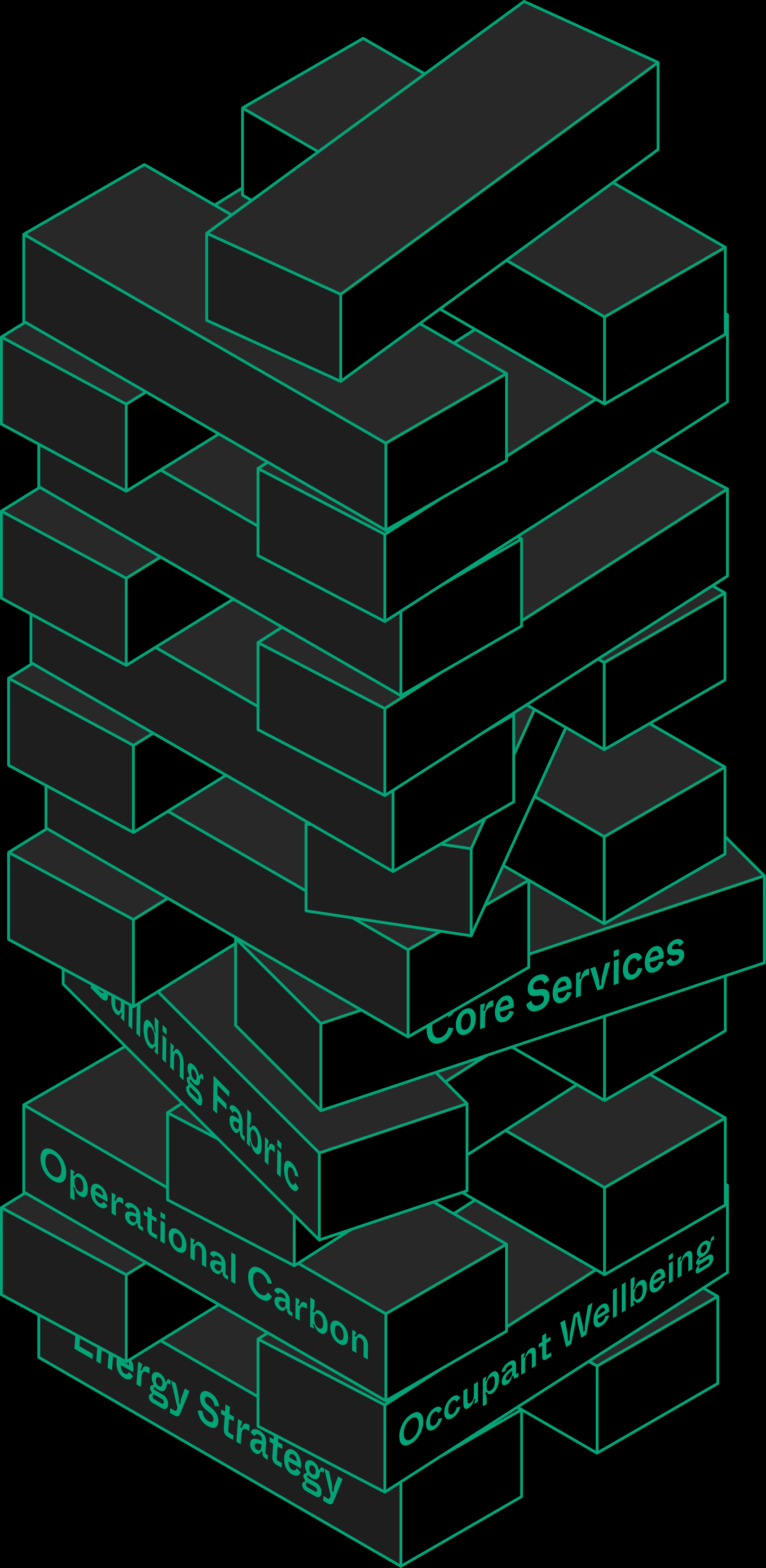
Why early engagement matters for BREEAM
Many BREEAM credits depend on decisions made during the concept and early design stages. When factors such as operational energy and occupant health are not considered early enough, valuable credits may become more costly, difficult and in some cases impossible, to achieve later in the project.
Engaging digital engineering specialists early allows sustainability objectives to be integrated into the design process from the outset. This enables performance-led decision making, helping teams identify opportunities, evaluate design options and align with BREEAM targets.
Within the latest BREEAM schemes, the focus on operational energy has become much stronger. In BREEAM RFO V7, operational energy now accounts for a quarter of the available energy credits. Similarly, BREEAM New Construction V7 offers a credit for defining an energy strategy at the concept design stage and another for constructing a detailed energy model at the design stage. Waiting until construction or completion can therefore significantly reduce the number of credits available.
“Early engagement makes operational energy part of the design process and aligns the BREEAM strategy with the wider project brief.” explains Jayesh.
How digital engineering supports better outcomes
Digital engineering provides project teams with the tools and analysis needed to understand how a building is expected to perform when construction begins. Through modelling and simulation, different design scenarios can be assessed, allowing teams to evaluate the impact of key decisions on energy use, occupant comfort and overall building performance. This evidence-based approach supports informed decision making and enables improvements to be identified before they become too difficult or expensive to implement.
One of the most valuable tools is operational energy modelling, such as CIBSE TM54 assessments. TM54 predicts how a building is likely to perform in operation, considering occupancy patterns, operating hours and energy demands. This provides a much more representative view of actual energy consumption and helps reduce the performance gap between predicted and operational performance.
TM54 assessments are designed to be iterative and can be updated as the design progresses. This allows the assessment findings to actively inform design decisions and ensure the project is on track to meet its operational energy targets. The greatest value is achieved when digital engineering specialists are involved before major design decisions are fixed.
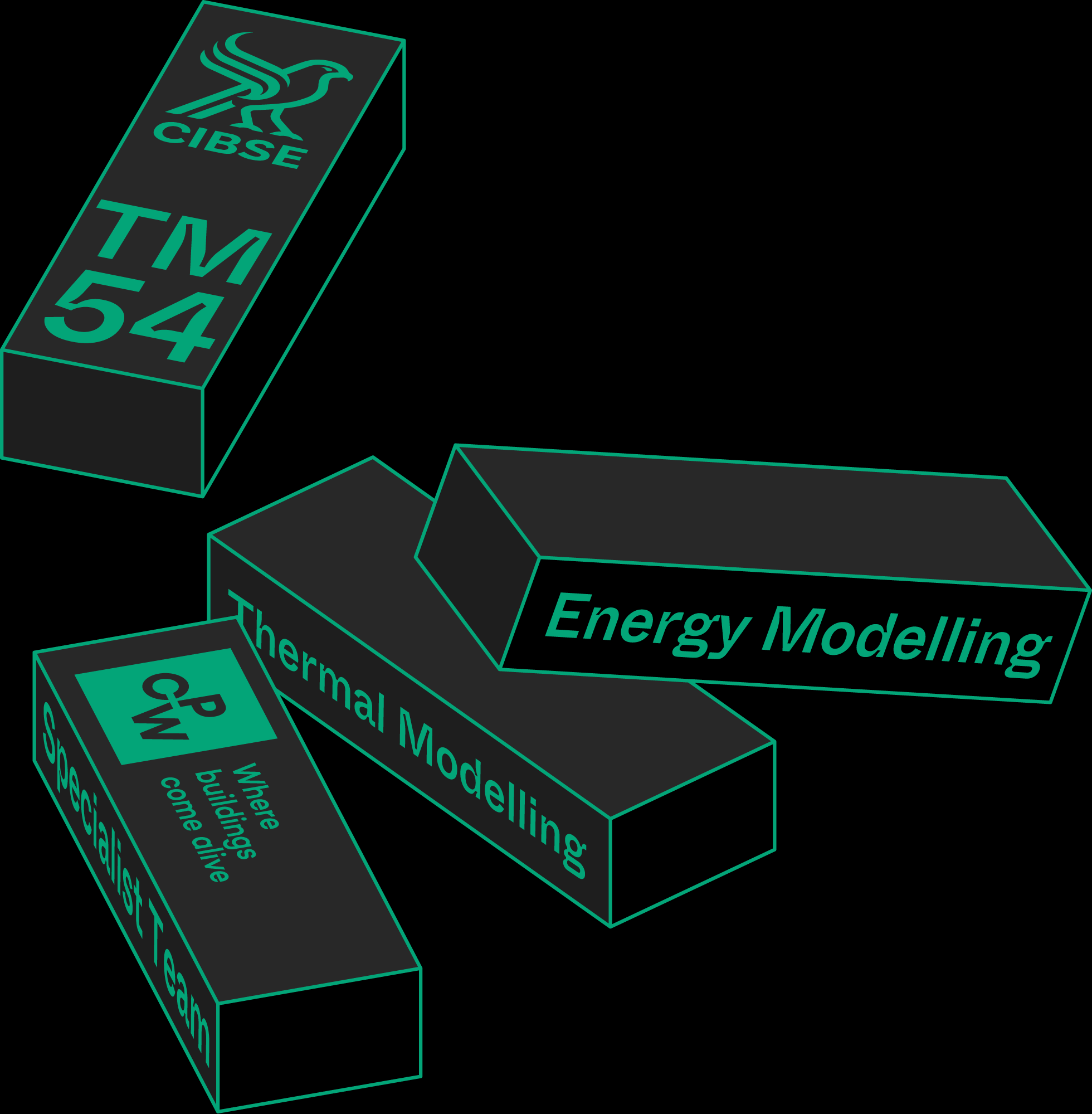
“Operational energy modelling should remain live as the project develops. Modelling outputs can inform the commissioning plan, metering strategy, seasonal commissioning and handover information.”, explains Jayesh.
Beyond operational energy, digital engineering can support wider sustainability objectives. For example, whole-life carbon is an important consideration in BREEAM RFO V7, requiring a life cycle assessment and embodied carbon reporting at multiple stages. By assessing carbon impacts early, project teams can make more informed decisions and achieve BREEAM credits.
Furthermore, occupant comfort and overall building performance must be considered. For example, reduced glazing may lower cooling demand but also affect daylight and visual comfort. Through dynamic thermal modelling, thermal comfort and overheating assessments, daylight analysis and façade optimisation, CPW's Digital Engineering team can identify balanced solutions that support both sustainability and occupant wellbeing. “This coordinated approach helps avoid improving one aspect of performance at the expense of another,” says Jayesh.
While achieving BREEAM certification remains an important objective, the value of early digital engineering engagement extends far beyond certification alone. By providing insight into operational energy, carbon performance and occupant comfort, digital engineering helps project teams deliver high-performing, future-ready buildings.
Planning a project targeting BREEAM certification? Get in touch with our team of specialists to discuss how early digital engineering engagement can support your project.