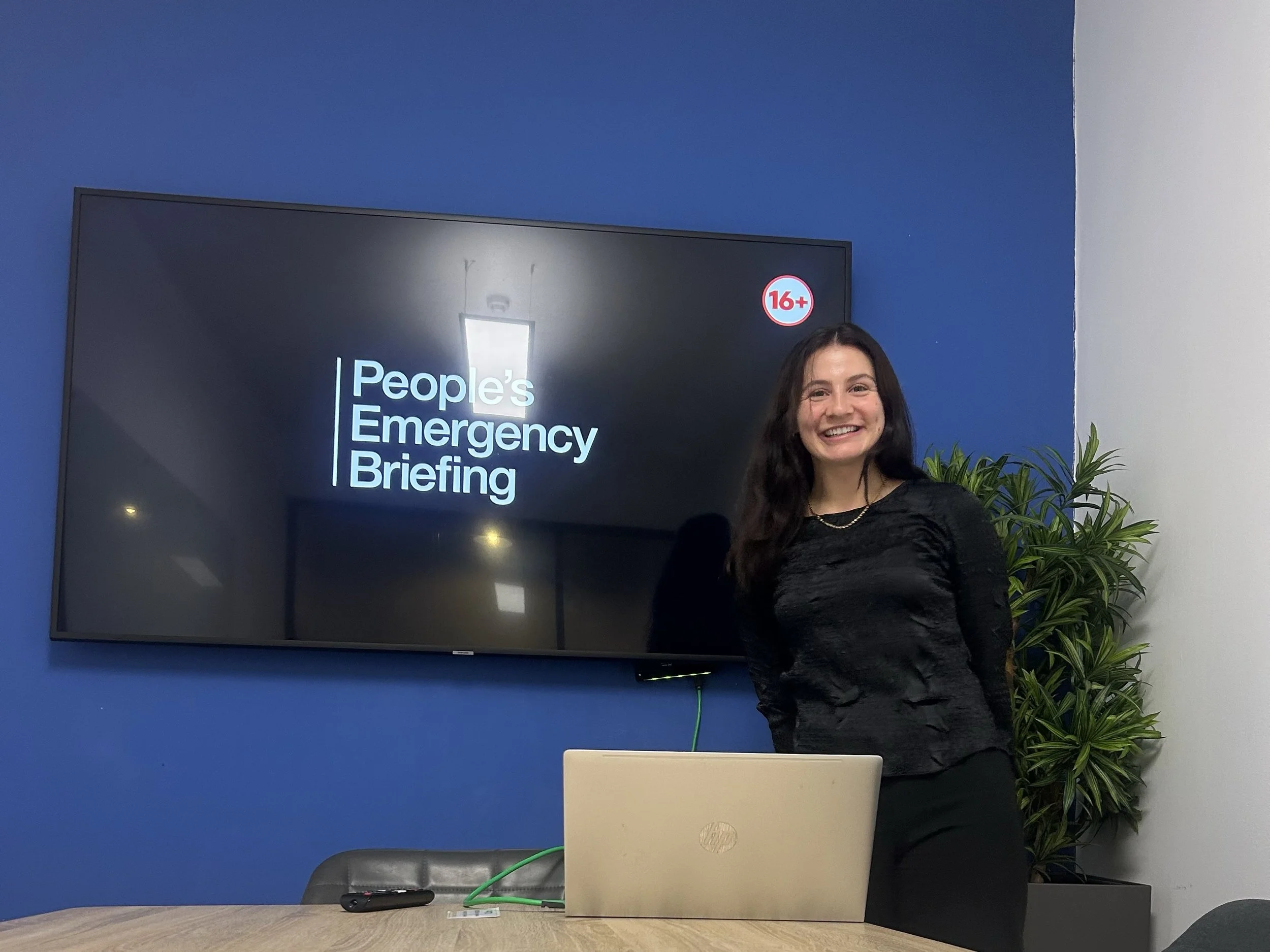
As a Sustainability Consultant at CPW, Lucy Cligg is passionate about helping create a more sustainable future and driving meaningful conversations around climate action. When she discovered the People's Emergency Briefing, a powerful public information initiative designed to raise awareness of climate and environmental risks, she recognised its potential to spark discussion and inspire action across our business. Following screenings in all 10 CPW offices, Lucy shares the story of how she first came across the film, why she felt it was important to bring it to colleagues, and the key insights she took away from it as a sustainability professional.
Earlier this summer, I attended a screening of the People's Emergency Briefing at my local community centre in Nottingham. This is a 50-minute, Gogglebox-style film based on clips from a briefing held in Westminster last November by the top nine scientists presenting the latest evidence on climate and nature risks.
I had heard about it through People, Planet, Pint – a monthly networking event for sustainability professionals. I hadn’t managed to make their screening, so headed to the screening map to find my next local showing.
I immediately knew it was something I wanted to bring to CPW. Sustainability is at our Core, and this was an opportunity to engage colleagues with some of the wider issues behind the work we do every day.
As somebody working in sustainability, I spend a lot of time talking about embodied carbon, building efficiency and environmental performance. What I sometimes find harder is creating opportunities to discuss the bigger climate and nature challenges that sit behind those topics.
That's one of the reasons I wanted to organise the screening.
The film covers topics from weather, to energy, to nature – and I think it’s important to acknowledge that these aren’t distant issues to our work. The built environment contributes nearly 40% of the UK’s greenhouse gas emissions, putting us in an opportunistic position to address some of the challenges highlighted in the film through the work we do at CPW every day.
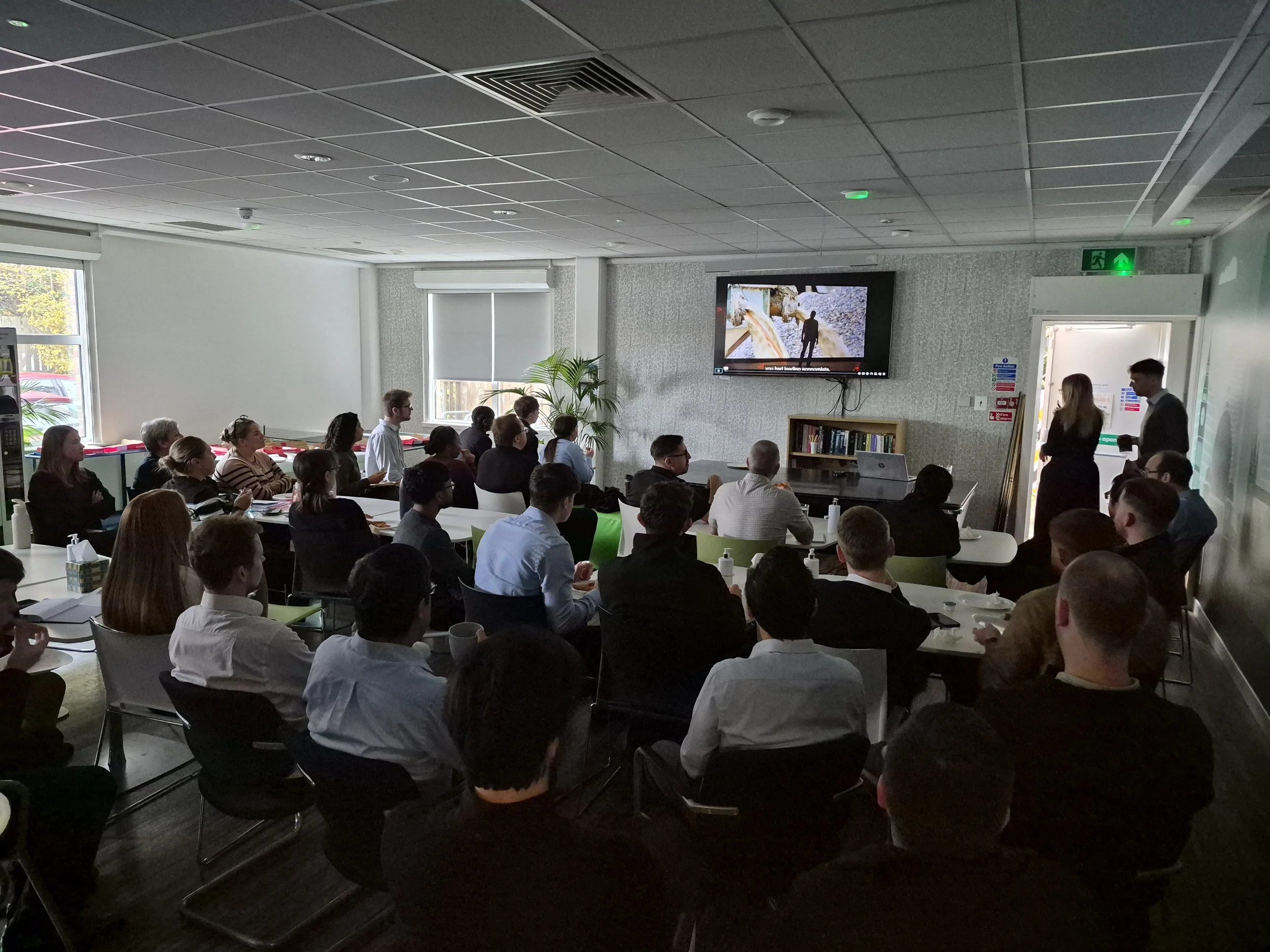
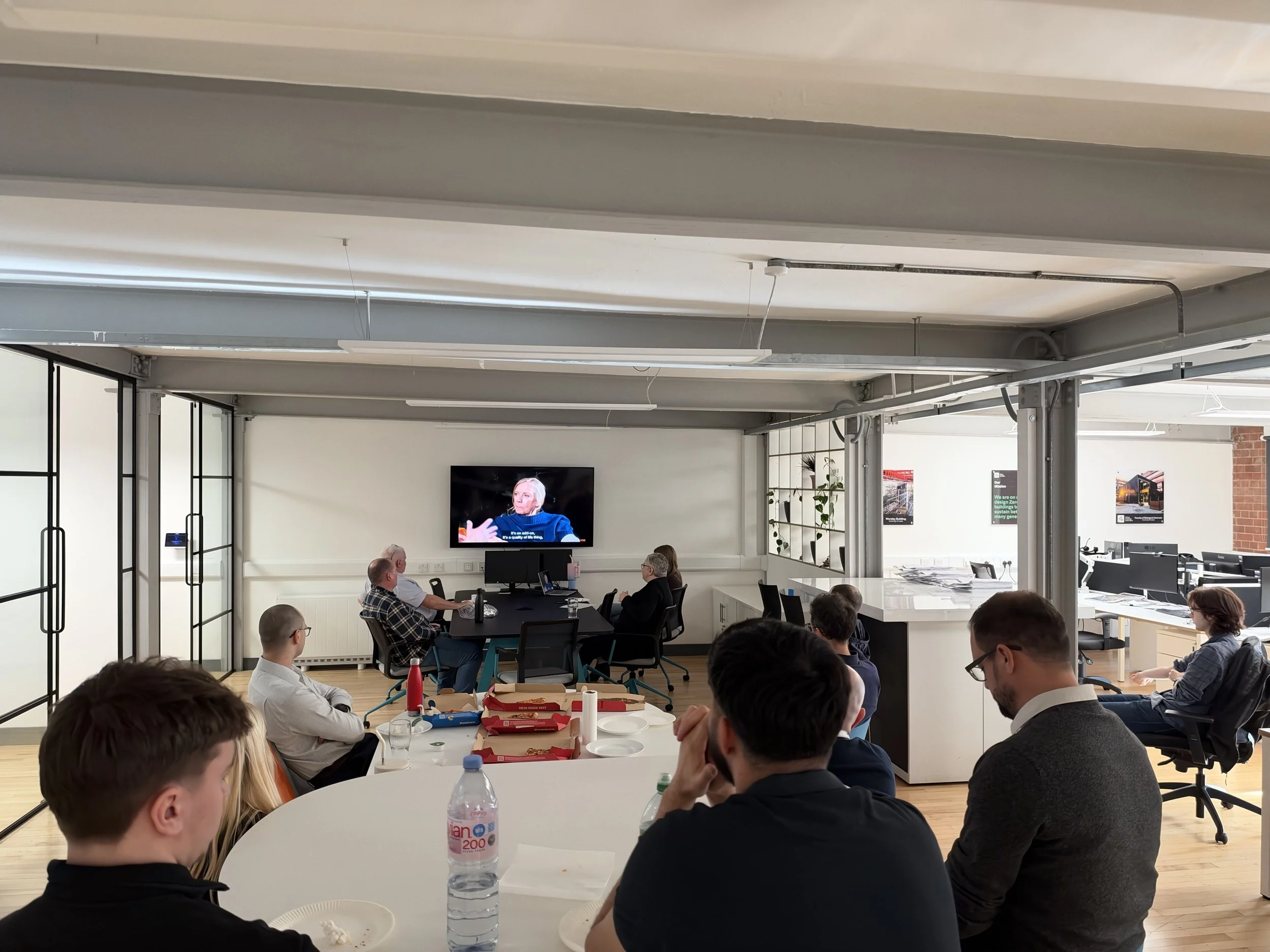
The idea was to organise a whole company role out by screening the film to 10 UK CPW offices across the 10th and 11th November, maximising the reach and the chance for conversations. I believe there’s value in understanding the challenges, so coming together as a collective was important to me.
With that in mind, we went ahead and organised the screenings, giving colleagues the opportunity to watch the film together and continue the conversation afterwards. Showcasing this film internally was important, I wanted to reduce fragmentation in conversations and create a sense of comradery behind the film.
Climate change is accelerating at a faster pace and intensity than previously predicted. We can see the industry responding through changes such as the UKNZCBS and BREEAM V7 updates. For me, the screening was an opportunity collective to engage with the climate science in the film and understand the context behind the growing focus on sustainability across our industry.
These conversations matter because the buildings we design today will still be around for decades to come. The decisions we make now help shape our resilience to cope with these increasingly complex challenges around overheating, flooding, resilience and resource use throughout a building’s lifetime. Sometimes it's worth taking a step back to remind ourselves why we're doing it all in the first place.
It was great to see such a positive response to the film across our offices, with around 170 colleagues attending over two days. Everyone really got behind the screenings, and there were some great conversations afterwards. Colleagues shared perspectives on resilience, energy, nature and the role our industry can play in addressing some of these challenges – exactly the discussions I had hoped the screenings would encourage.
Demand exceeded capacity at our Head Office in Solihull, so we are running another screening there next week for those who couldn’t attend. We are also exploring a showing in our Poland office, which would be the film’s first screening in Poland.
At a time when the People's Emergency Briefing is being discussed in Parliament and climate issues are once again being debated at COP31, it feels like a conversation worth having. At CPW, Sustainability is a key part of what we do, and sessions like this give us an opportunity to step back from our day-to-day work and reflect on the bigger picture behind it.
Sustainability is about more than standards, assessments and targets. It's about understanding the wider context and recognising that it’s a combination of our everyday decisions that’s shaping a more resilient future.
I truly believe that everyone should watch this film. If you didn’t get a chance to see a screening, find a screening near you.