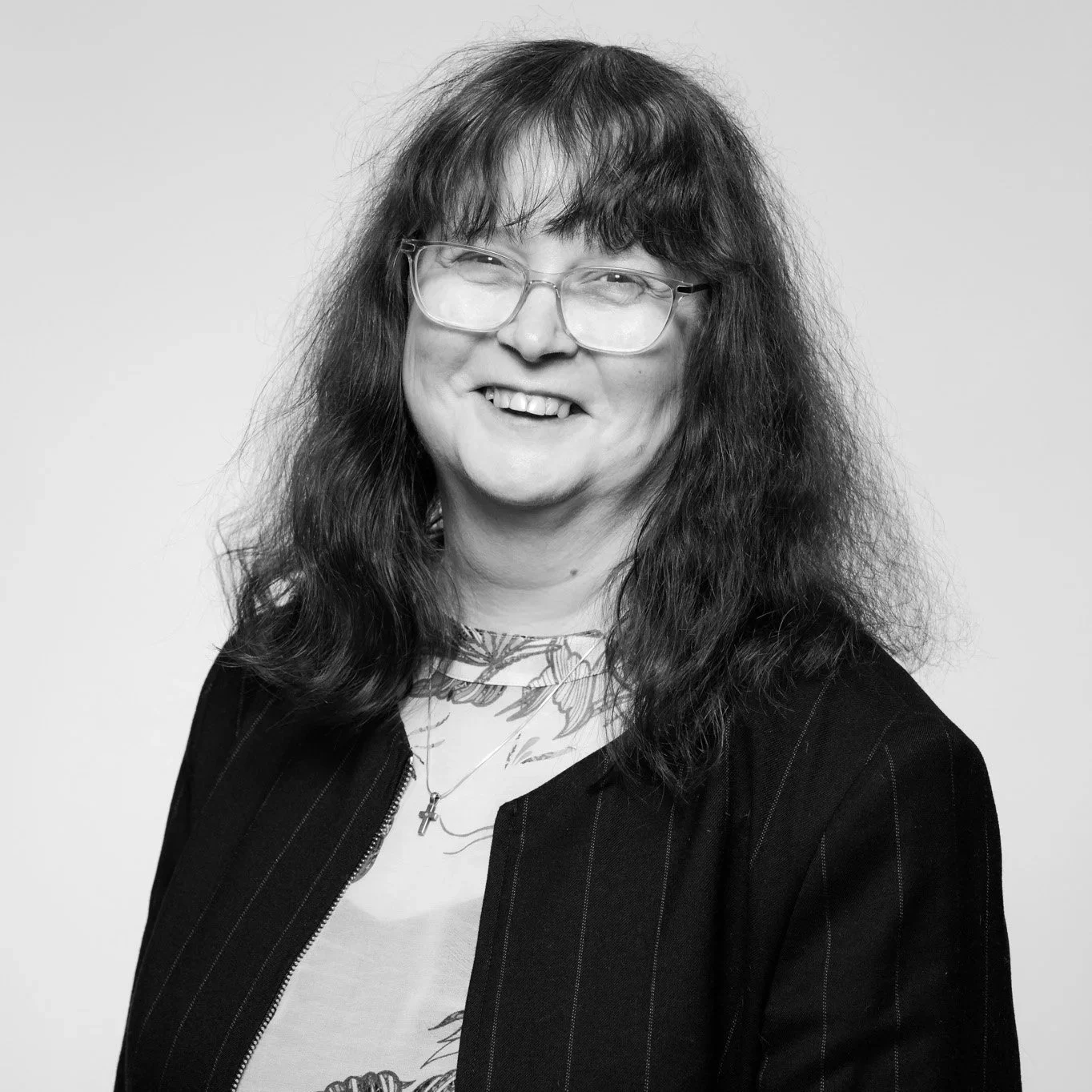
Three Decades of Engineering Excellence: Meet Marianna Ponikarovskaya
What does it take to build a successful career in engineering? Following International Women in Engineering Day (INWED) last month, CPW Associate, Marianna Ponikarovskaya, shares her experiences, proudest achievements, and valuable advice for those just starting out.
Can you tell us a little bit about your background, and what first drew you to engineering?
Both of my parents were engineers, along with both of my grandfathers. I’m now a third-generation engineer, with my son becoming the fourth-generation engineer within the family. Between us, that is 100 years’ worth of knowledge and experience!
I studied at St. Petersburg State Institute of Technology and Engineering and graduated in 1992. It is a world-renowned centre of chemistry, chemical technology, and engineering, and was home to some of the greatest science minds which made it an incredibly inspiring experience.
How long have you worked within the built environment?
I’ve been in the industry for 34 years, 33 of which I have been working within the built environment. I started my career in 1992, working in my hometown of St. Petersburg and have since worked with several engineering consultancies in both Russia and the UK. I joined CPW just over a year ago.
How has the industry evolved since you started?
When I started working in building services back in 1992, the world looked very different. There was no Wi-Fi, mobile phones were the sizes of bricks, computers ran on MS DOS, and AutoCAD was considered tip-top technology. So much has changed since then, changing the way we design and deliver projects. However, despite all these innovations, the engineering basics remain unchanged – the laws of physics are still the same.
Is there a project (or two) that you’re particularly proud of?
One of my all-time favourite projects I have worked on is the Outpatients Department for Alder Hey Children’s Hospital in 2014. It was one of the first projects where my role was mechanical and project leader, and one of the first projects I delivered using Revit (which was a challenge at the time!). The facility brought together a range of healthcare specialisms, such as imaging, physiotherapy, and cardiology. As the clinic was designed for children, aesthetics and ergonomics were vital in creating a welcoming and accessible environment for patients and their families.
A project that is particularly close to my heart here at CPW is the University of Wolverhampton decarbonisation project, along with my engineering secondment to the university itself. It was one of the first projects I worked on after joining CPW and gave me the opportunity to become part of the University’s team. I’m proud to have played a part in supporting them and I hope I’ve made a positive difference for them along the way.
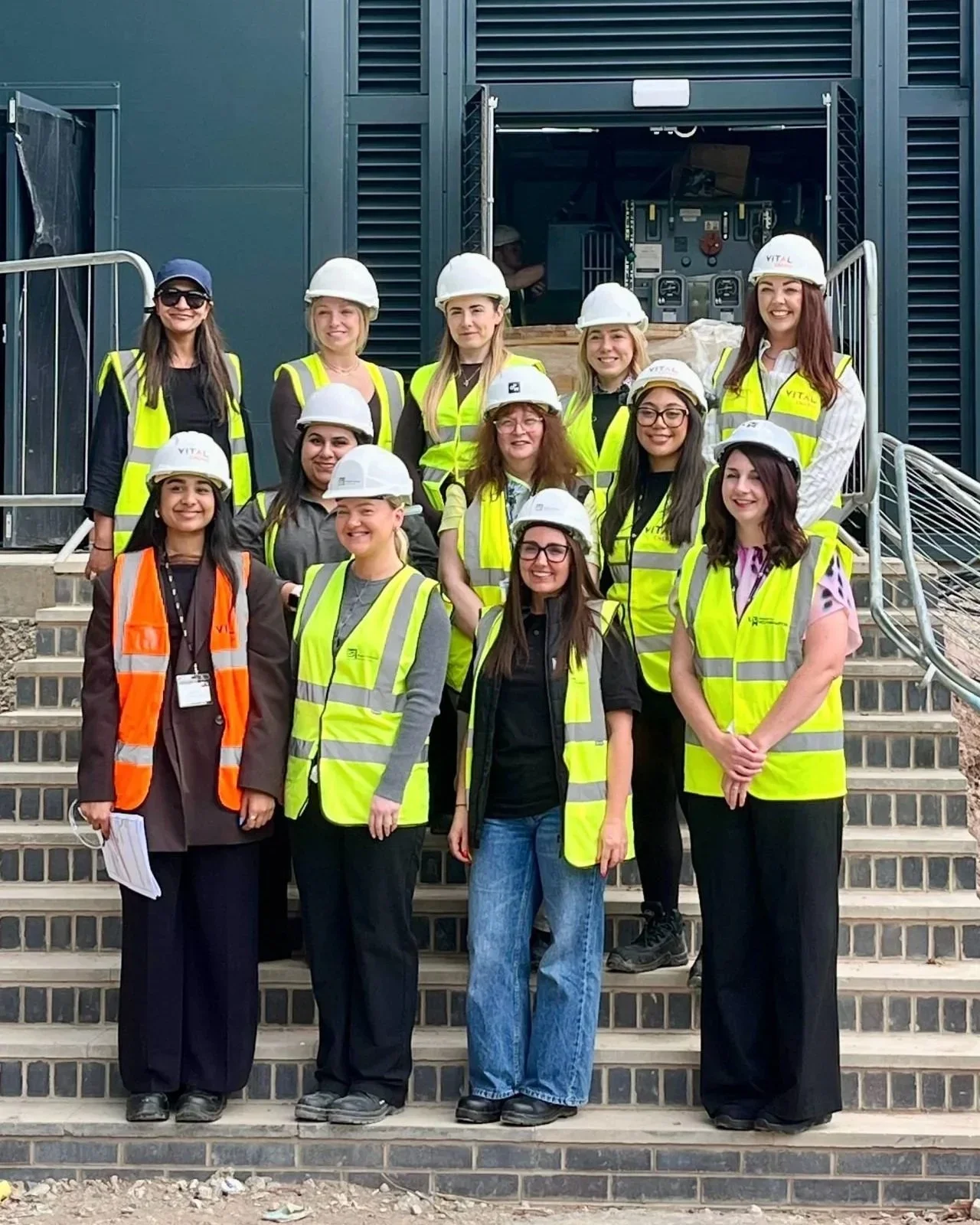
“In June, I visited the University’s Walsall Campus for the WiBSE West Midlands Decarbonisation Tour and Talk, held in honour of INWED. I was pleased to speak at the event, sharing insights into the University’s ambitious decarbonisation programme and our role in supporting their Net Zero ambitions. It was an inspiring event to be part of – WiBSE creates a welcoming space to share experiences, learn from one another, and celebrate the brilliant work women are doing in engineering.”
What projects are the Birmingham Team currently working on?
We’re currently working on several exciting projects, particularly with the University of Wolverhampton.
I’m the mechanical lead for the School of Creative Industries MX refurbishment. As part of the university’s estate consolidation and sustainability strategy, the existing MX building is being transformed into a vibrant new home for the School of Creative Industries. The project will bring together a range of creative disciplines in one location, with flexible studios, workshop facilities and collaborative social areas designed to inspire creativity and innovation for staff and students.
Alongside that, I’m co-leading work on the University’s new Masterplan with Project Director at CPW, Mark Gordon. It’s a really significant programme that will help shape the future of the University’s estate, creating modern, well-connected spaces that better support students, staff and the wider community.
The masterplan is built around two campuses with distinct identities. The City Campus will become the centre for academic, civic and commercial activity, while Walsall Campus will focus on health, sport, wellbeing and residential living.
My role is centred on the City Campus developments, where there’s already a huge amount of progress being made. It’s exciting to be involved in a project of this scale, and to help deliver spaces that will have a lasting impact on the University and its students.
How do you navigate challenges when it comes to work?
My motto is be prepared, plan ahead, and work together as a team. When facing challenges, it is always best to step back, assess the situation, consider your options, and create a clear plan going forward. Be proactive, not reactive.
Don’t be afraid of making mistakes – be proud of them. Own them. Write them down, frame them, and put them on the wall for everyone to see. Understanding what went wrong and knowing how to be better in the future is the best way to learn.
For someone starting out, what skills or mindset do you think are most important to develop?
Don’t feel you have to learn or understand everything at once. Developing engineering skills is an on-going process and we’re all forever learning. Stay curious, keep an open mind, and be willing to learn as the industry continues to evolve.
What has helped you feel confident and grow in your career over time?
Believe in yourself and trust your skills and knowledge. I’ve found that when a system or process is difficult to understand, it’s often because it hasn’t been designed well. Good design will always be simple, functional, and easy to comprehend.
What excites you most about the future of engineering and the built environment?
It’s hard to predict exactly what the future will bring, as the industry is constantly evolving and new technologies are emerging. I think the changes we’re seeing today will be just as significant as the shift from drawing boards, pencils, and tracing paper to digital tools like Revit. But one thing is certain – the world will always need good engineers.
Thinking about a future in building services engineering? Find out more about our open roles here.