
CPW’s Role in Advancing Rare Earth Magnet Recycling at Tyseley Energy Park (TEP)
Tyseley Energy Park (TEP) continues to cement its reputation as one of the UK’s most important hubs for low-carbon innovation, with the recent launch of a pioneering rare earth magnet recycling facility marking a major milestone for both regional and national sustainability ambitions. CPW is proud to have played a key role in supporting this landmark project, helping to deliver the specialist infrastructure required to enable a new, more resilient approach to critical materials.
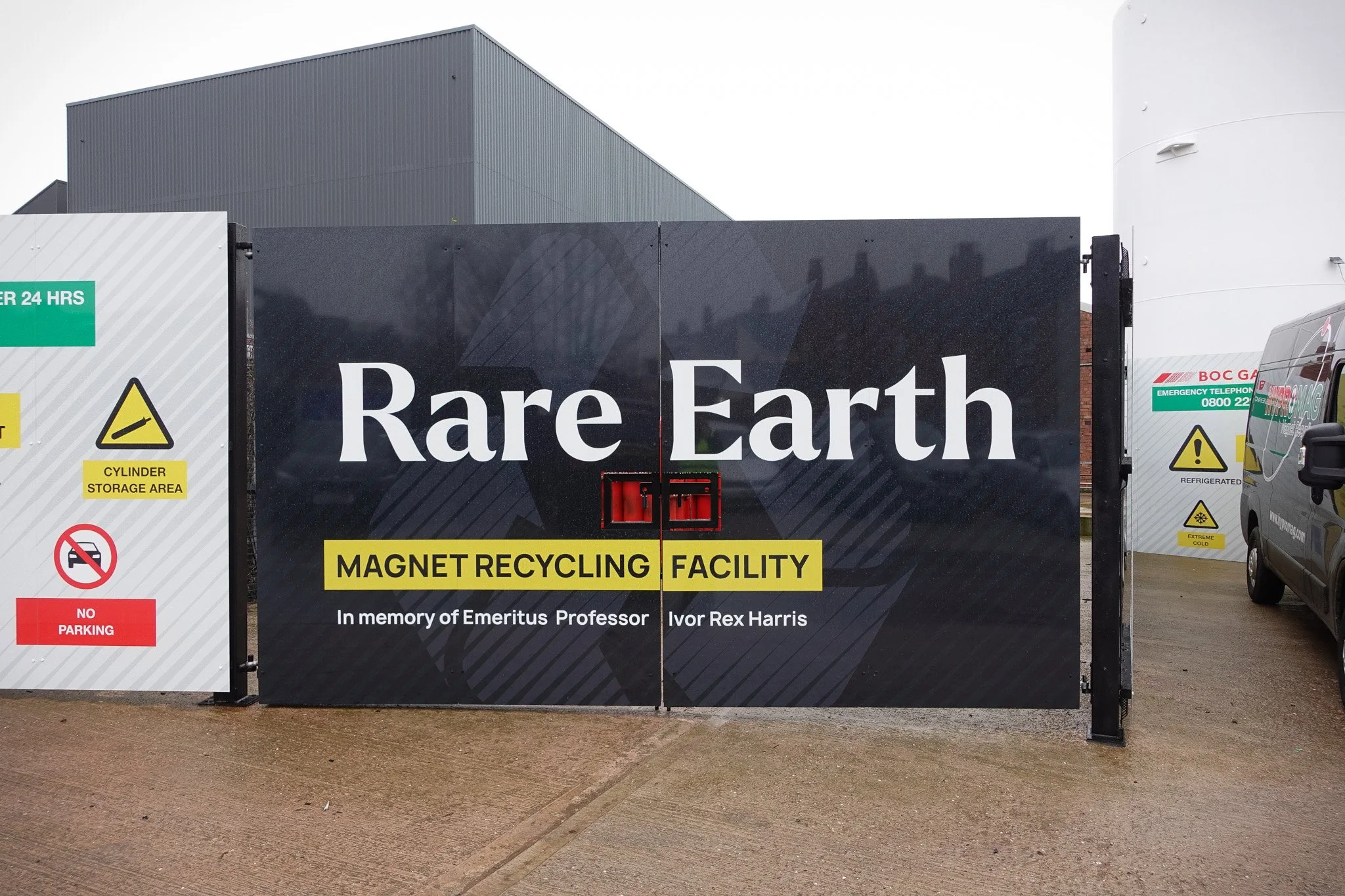
Rare earth magnets are essential to many of the technologies underpinning modern life – from wind turbines and electric vehicles to medical equipment, robotics and electronics. As demand for low-carbon technologies accelerates, so too does the need for sustainable supplies of these critical materials.
The new facility at Tyseley Energy Park (TEP), developed by the University of Birmingham, addresses this challenge head-on. Using an innovative hydrogen-based recycling process, the plant enables rare earth magnets to be recovered from end-of-life products and reprocessed for reuse, significantly reducing reliance on imported raw materials – and cutting the environmental impact associated with traditional extraction and production methods.
The launch of the facility aligns closely with the UK’s wider industrial and energy strategies, supporting ambitions to strengthen domestic supply chains, reduce carbon emissions, and accelerate the transition to a circular economy.
At the heart of the facility is Hydrogen Processing of Magnet Scrap (HPMS) technology, developed through years of academic research. Unlike conventional recycling approaches, HPMS allows magnets to be extracted efficiently without fully dismantling complex products. The process transforms waste streams into a valuable domestic resource, capable of supporting the manufacture of new metals, alloys and magnets within the UK.
The Tyseley facility represents a significant step forward in scale. While earlier proof-of-concept work handled relatively small batches, the new plant is designed to operate at commercial production levels, with the capacity to recover hundreds of kilograms of rare earth alloy per batch, and produce magnets at industrial volumes. Importantly, the recycled magnets can be produced with a fraction of the carbon footprint associated with primary production, delivering substantial CO₂ savings and reducing cost and supply chain risk.
The project also marks the return of sintered rare earth magnet production to the UK for the first time in over two decades, a critical development for the UK’s manufacturing capability.
Our Role
CPW was appointed to upgrade the building’s existing infrastructure, to support this highly specialised manufacturing environment. Central to our role was the design and delivery of a robust building services backbone, capable of enabling the HPMS process to operate safely, efficiently and at scale.
This involved carefully integrating new systems within an existing structure, while ensuring the facility could meet the demanding technical, safety and operational requirements of advanced materials processing. Reliability, resilience and adaptability were key considerations, allowing the building to support current operations while remaining flexible for future expansion.
“It’s been a real pleasure to work alongside the University of Birmingham on such a meaningful scheme. Projects like this demonstrate how innovation and sustainability can come together to deliver real change, not just within the built environment, but across wider industry and manufacturing. Supporting a facility that significantly reduces energy use and carbon emissions while reintroducing critical manufacturing capability back into the UK, strongly aligns with our core values at CPW, and we’re proud to have played a part in bringing this project to life.” – Antonios Agapakis, Director at CPW.
The success of the project was underpinned by strong stakeholder engagement and a genuinely collaborative approach. From the outset, it was clear that the specialist nature of the facility required transparency and close teamwork across disciplines. Early engagement with specialist subcontractors ensured that complex technical challenges were identified and addressed proactively. Regular workshops with the client team created space to refine design solutions and align expectations, significantly reducing risk as the project progressed.
A platform for sustainable growth
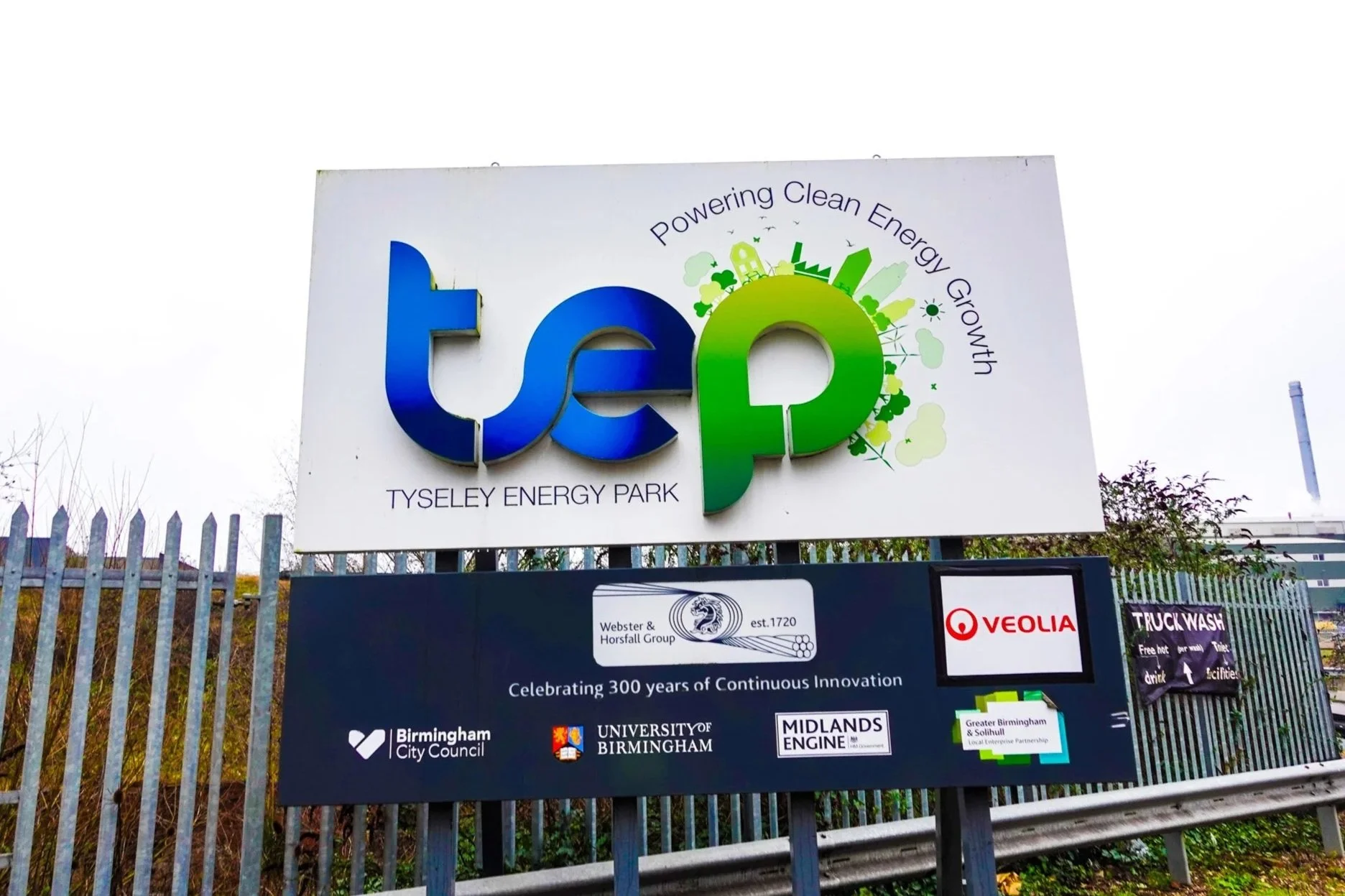
The rare earth magnet recycling facility stands as a platform for research, collaboration and future growth. It supports Birmingham’s broader ambitions to decarbonise heat, power and transport, while demonstrating how science-led innovation can be translated into real-world impact.
By embedding sustainability into both the process and the infrastructure that supports it, the project sets a powerful precedent for how the built environment can enable circular economy principles at scale.
For CPW, the project exemplifies our commitment to supporting innovative, low-carbon technologies through intelligent building services design. We are proud to have contributed to a scheme that strengthens UK manufacturing resilience, reduces environmental impact, and places the West Midlands at the forefront of sustainable industrial innovation.
As Tyseley Energy Park continues to evolve, projects like this underline its role as a catalyst for change, and demonstrate how collaboration between academia, industry and engineering can deliver solutions that truly shape a more sustainable future.
Want to discuss your next project in the heart of the Midlands? Get in touch with Antonios Agapakis and the CPW Birmingham Team today.