
The Loughborough College Institute of Technology
Client: Loughborough College Group
The brief
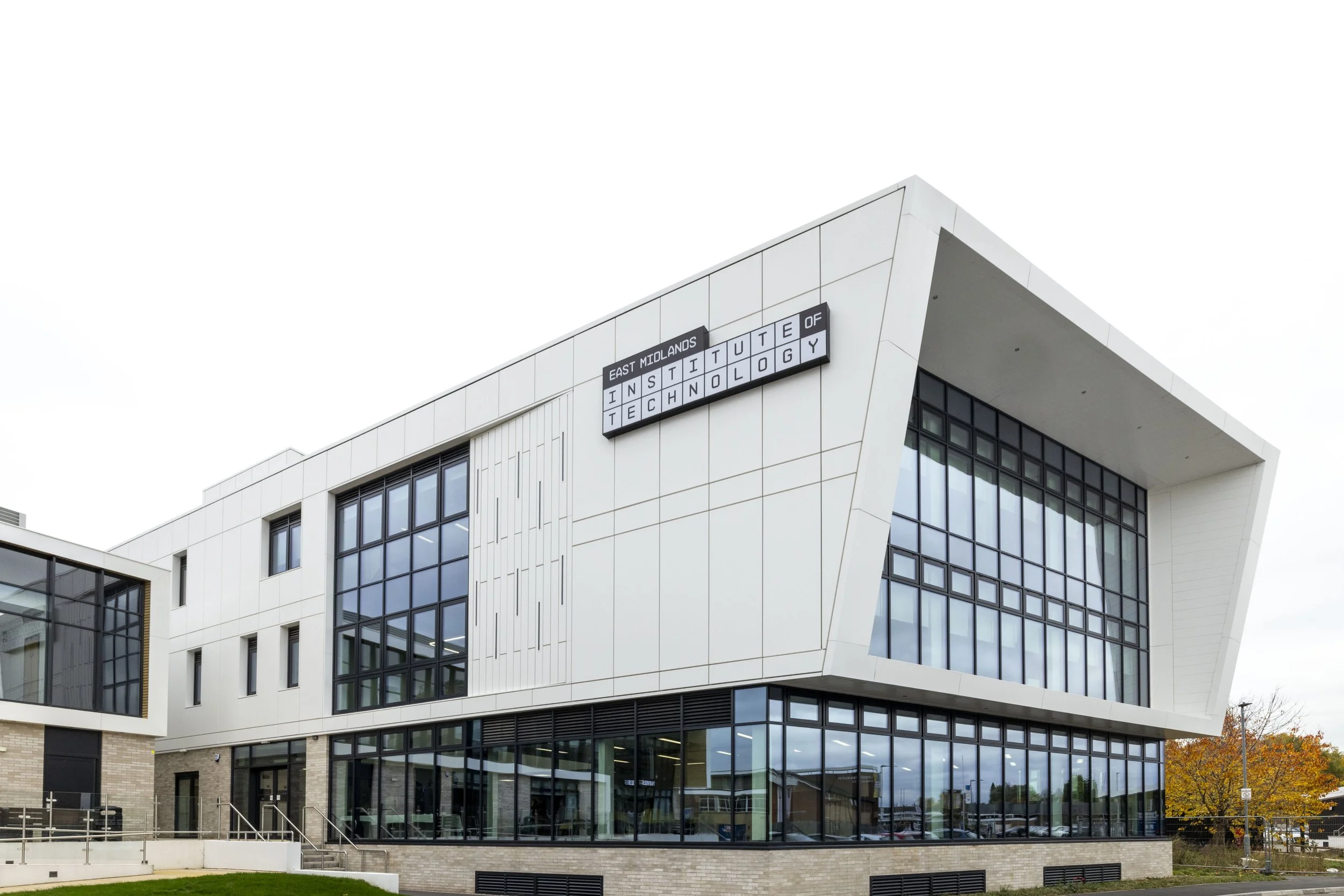
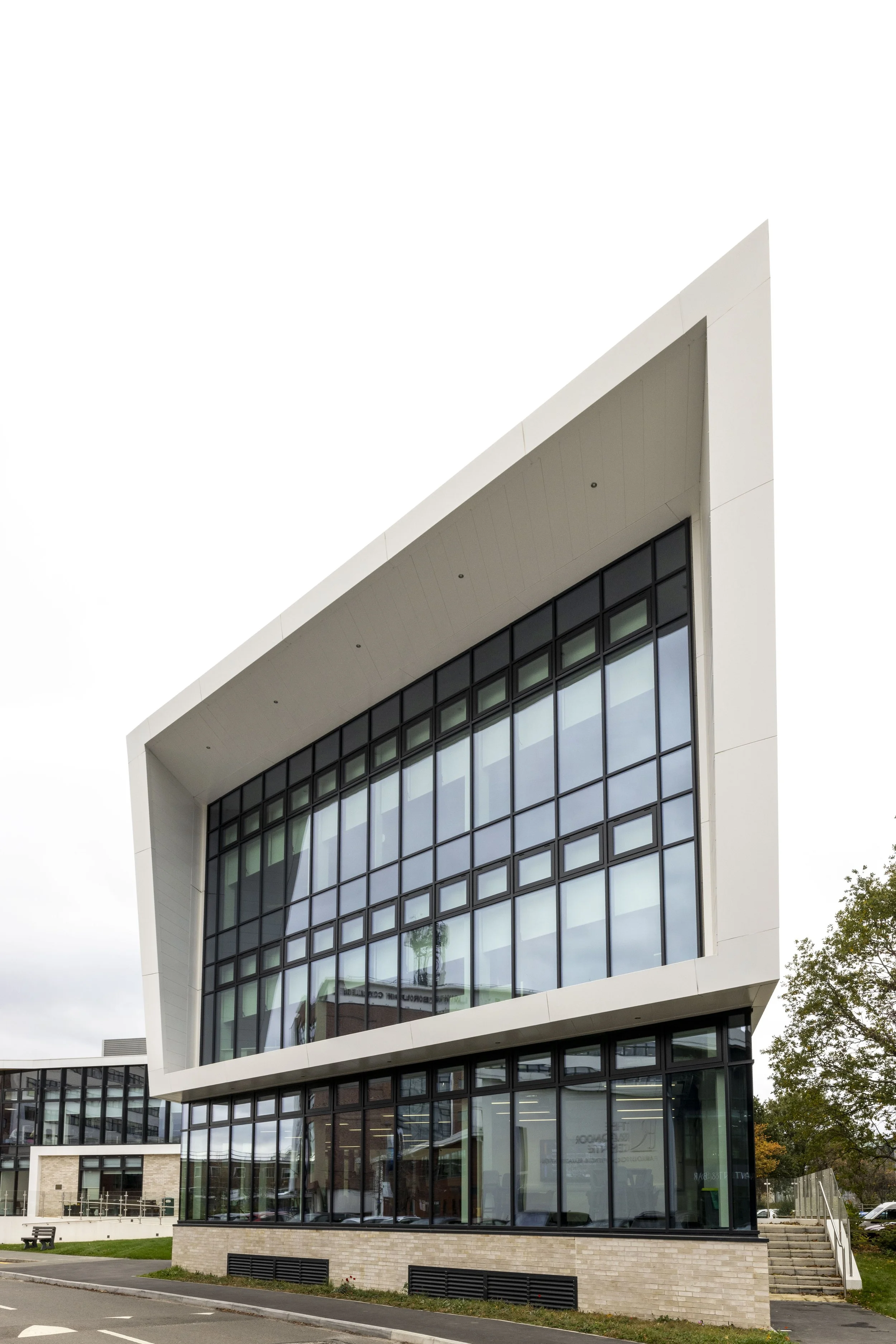
CPW supported the delivery of the flagship Institute of Technology (IoT) at Loughborough College, a future-focused learning environment for engineering, manufacturing and digital education. Designed around fabric-first principles and low-carbon technologies, the facility provides high-quality teaching spaces while supporting the region’s long-term skills and Net Zero ambitions.
The three-storey, purpose-built facility hosts 9 classrooms, 4 specialist science laboratories, 3 offices and 2 open-plan teaching and collaborative spaces. The 1,452m2 development will be pivotal in shaping the next generation of technological skills in the region, training over 2,000 students by 2027 and supporting them through career guidance and clear pathways from apprenticeships to postgraduate study, with partnerships with the University of Derby and Loughborough University.
Delivered through a highly collaborative approach with the wider project team, the project successfully balanced ambitious design, technical complexity and Department for Education (DfE) funding requirements. This approach allowed the project to progress in a timely manner, with construction beginning in January 2024 and achieving Practical Completion in April 2025.
CPW’s role and technical expertise
CPW acted as lead sustainability engineers and MEP consultants, developing the building's net zero strategy from concept through to delivery.
Initially, CPW assisted with developing the building physics strategy, assessing building fabric performance, air permeability and thermal bridging to ensure fabric-first principles were embedded into the design from the outset.
Building on this foundation, CPW designed and delivered the complete MEP strategy, helping create a highly efficient learning environment capable of supporting both operational performance and occupant wellbeing, including:
Mechanical ventilation with heat recovery (MVHR) systems, ensuring minimal energy loss
Heat pumps for low-carbon heating and hot water systems, significantly reducing reliance on fossil fuels
Solar photovoltaic (PV) panels integrated into the infrastructure, reducing reliance on non-renewable energy systems
LED lighting throughout the building for energy efficiency
Intelligent building management systems that monitor temperature, air quality, energy consumption and occupancy patterns in real-time
Smart energy management systems that monitor and optimise energy consumption
Water-saving technologies, including rainwater harvesting and low-flow fixtures
Together, these measures support the client’s sustainability ambitions whilst reducing operational energy demand and long-term running costs.
Be Lean, Be Clean, Be Green
Guided by the "Be Lean, Be Clean, Be Green" hierarchy, CPW prioritised reducing energy demand before integrating efficient building services and on-site renewable energy generation. Adopting a fabric-first approach was vital in minimising energy demand from the outset, optimising the building envelope to improve thermal performance and reduce operational energy requirements.
Building on this foundation, low-carbon heating technologies were integrated throughout the development, including heat pump systems and PV panels. Together, these measures help reduce operational carbon emissions, lower energy costs and support the College’s long-term Net Zero ambitions.
Durable, high-quality materials were carefully selected during construction to balance longevity, maintenance requirements and environmental performance. The use of robust cladding systems, curtain wall glazing and efficient building fabric contributes to a resilient, future-ready facility.
By reducing energy demand first and generating renewable energy on site, the building provides a learning environment that supports both environmental objectives and long-term operational efficiency.
Smart Building Technology
The facility incorporates intelligent building management systems that continuously monitor temperature, air quality, energy consumption and occupancy levels. This real-time building performance data helps optimise energy use, improve efficiency and support a comfortable internal environment for building users.
The system also provides valuable educational opportunities, allowing students to engage with real-world building performance data and gain insight into how buildings operate in practice.
Supporting skills, innovation and regional growth
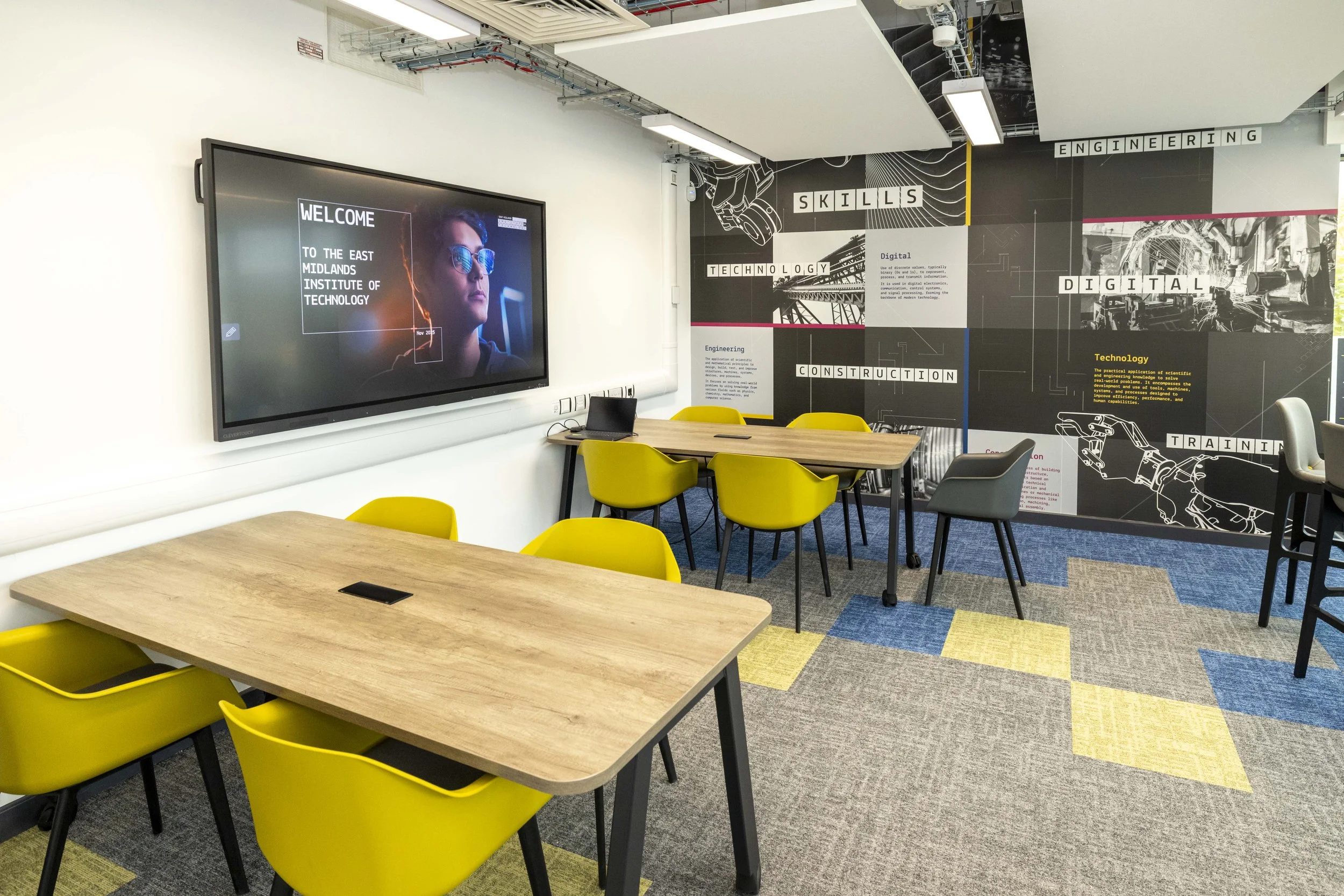
Designing a building equipped to support the next generation of talent was central in the project’s design. Flexible teaching spaces, industry-standard labs and computing suites were integrated into the design, fostering interdisciplinary work and engagement with employers and industry partners.
The Institute of Technology is a vital development in strengthening the region’s position and offering in engineering, manufacturing and digital technology skills and addressing the UK’s skills gap, particularly in Net Zero, engineering and digital sectors. The facility will support regional and economic growth, innovation and students into the future.
Key achievements:
Want to find out how we could support your project? Visit our services page.