
Tyseley Energy Park (TEP)
Client: University of Birmingham
The brief
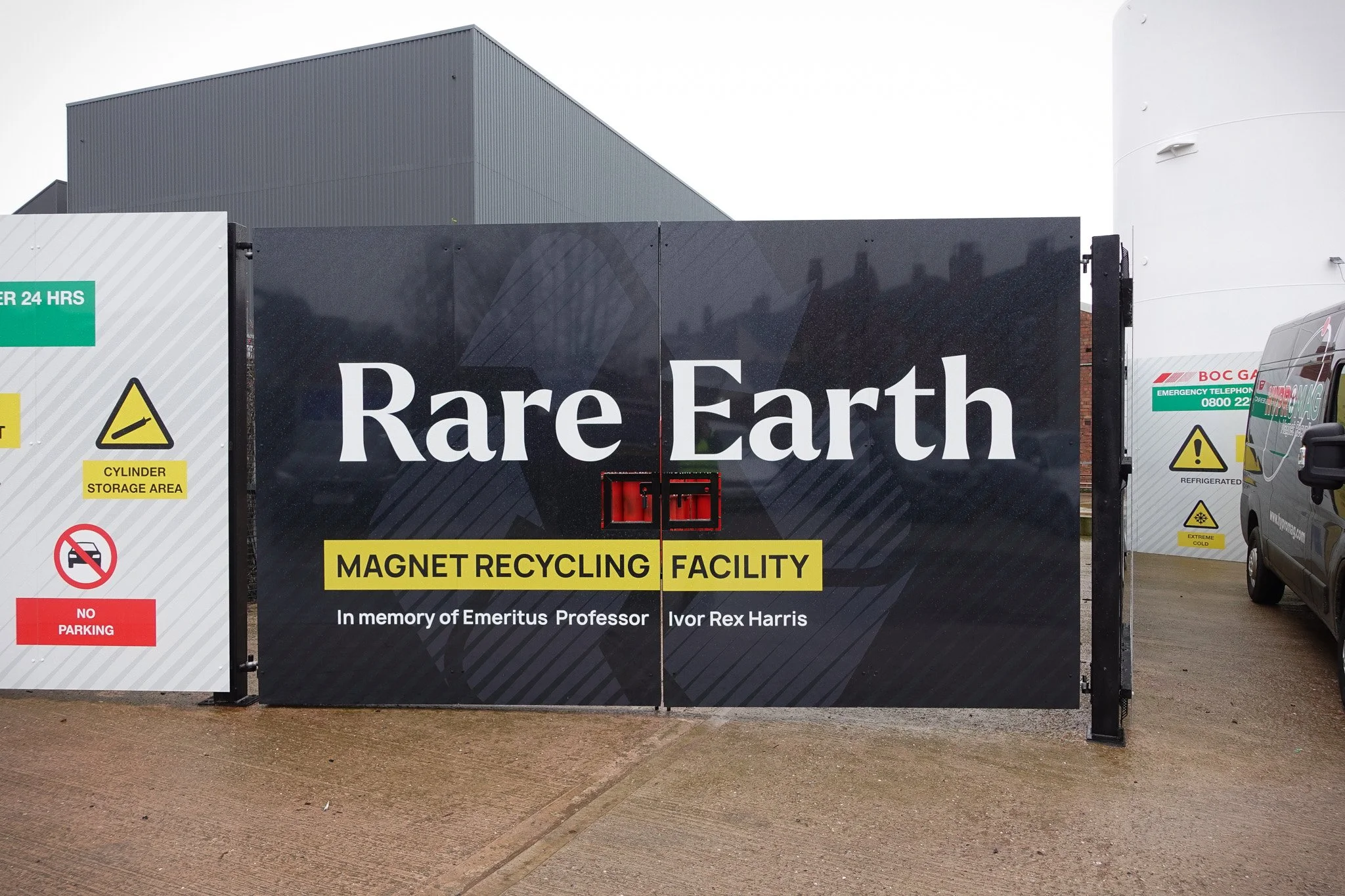
Working in partnership with HyProMag Ltd., the University of Birmingham has delivered the UK’s first full-scale rare earth magnet recycling facility, at Tyseley Energy Park (TEP) in Birmingham. The project involves the refurbishment of a 1,200m² warehouse, transforming it into a state-of-the-art recycling centre that provides an indigenous source of rare earth materials. In doing so, the facility places the West Midlands at the forefront of clean energy innovation and strengthens the UK’s position within this critical sector.
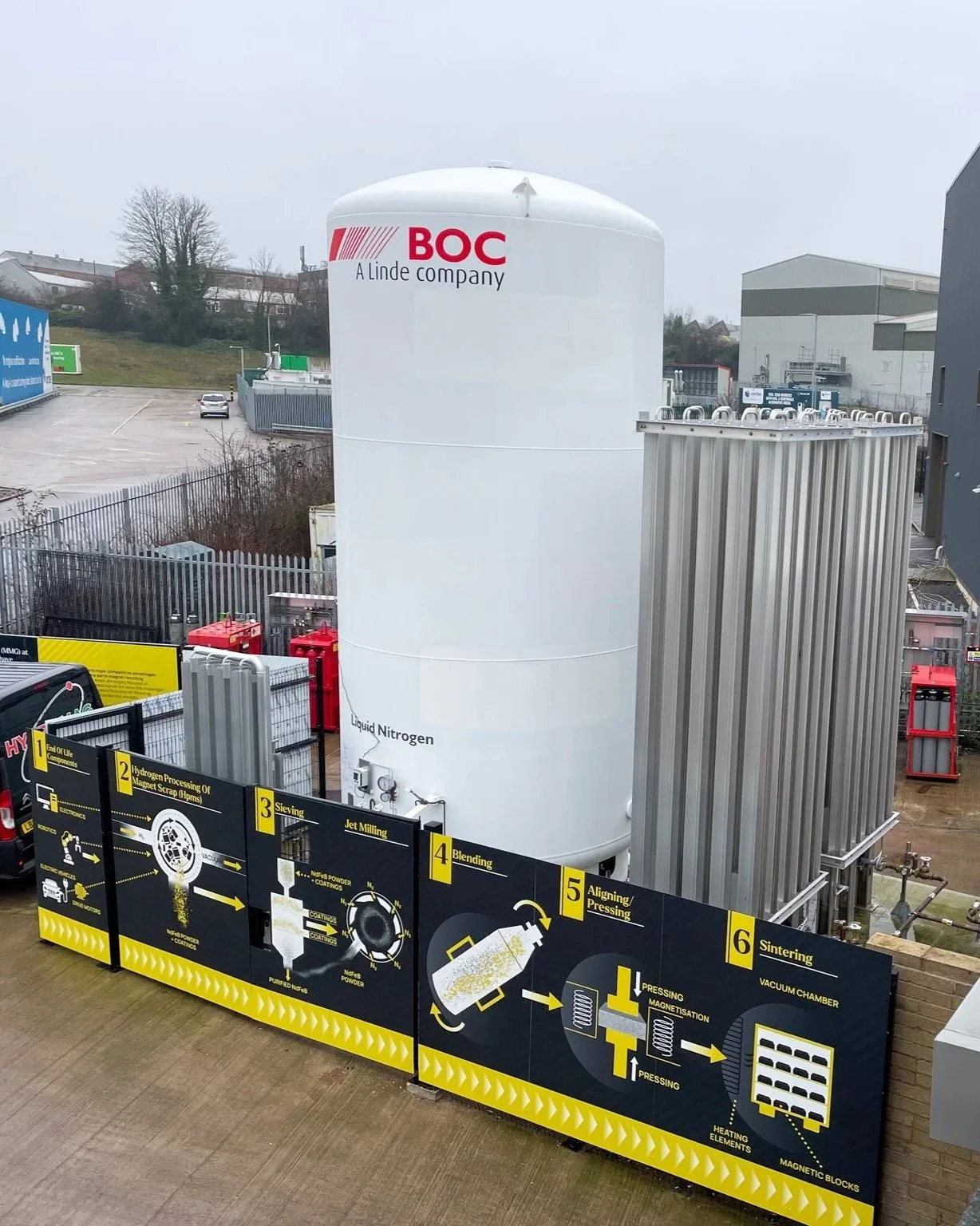
The University has pioneered the recycling of rare earth magnets through Hydrogen Processing of Magnet Scrap (HPMS), an innovative technique that uses hydrogen to break down magnets into a demagnetised powder for remanufacture. The process requires around 88% less energy than primary magnet production. Rare earth magnets play a vital role in clean energy technologies such as electric vehicles and wind turbines, as well as in everyday electronics including mobile phones, laptops and hard drives. Establishing a secure and sustainable domestic supply of these materials is therefore essential to supporting both industrial resilience and environmental goals.
CPW were appointed to upgrade the building’s existing infrastructure to support this highly specialised manufacturing environment. Central to our role was the design and delivery of a robust building services backbone capable of enabling the HPMS process to operate safely and efficiently at scale.
Engineering a first-of-its-kind facility
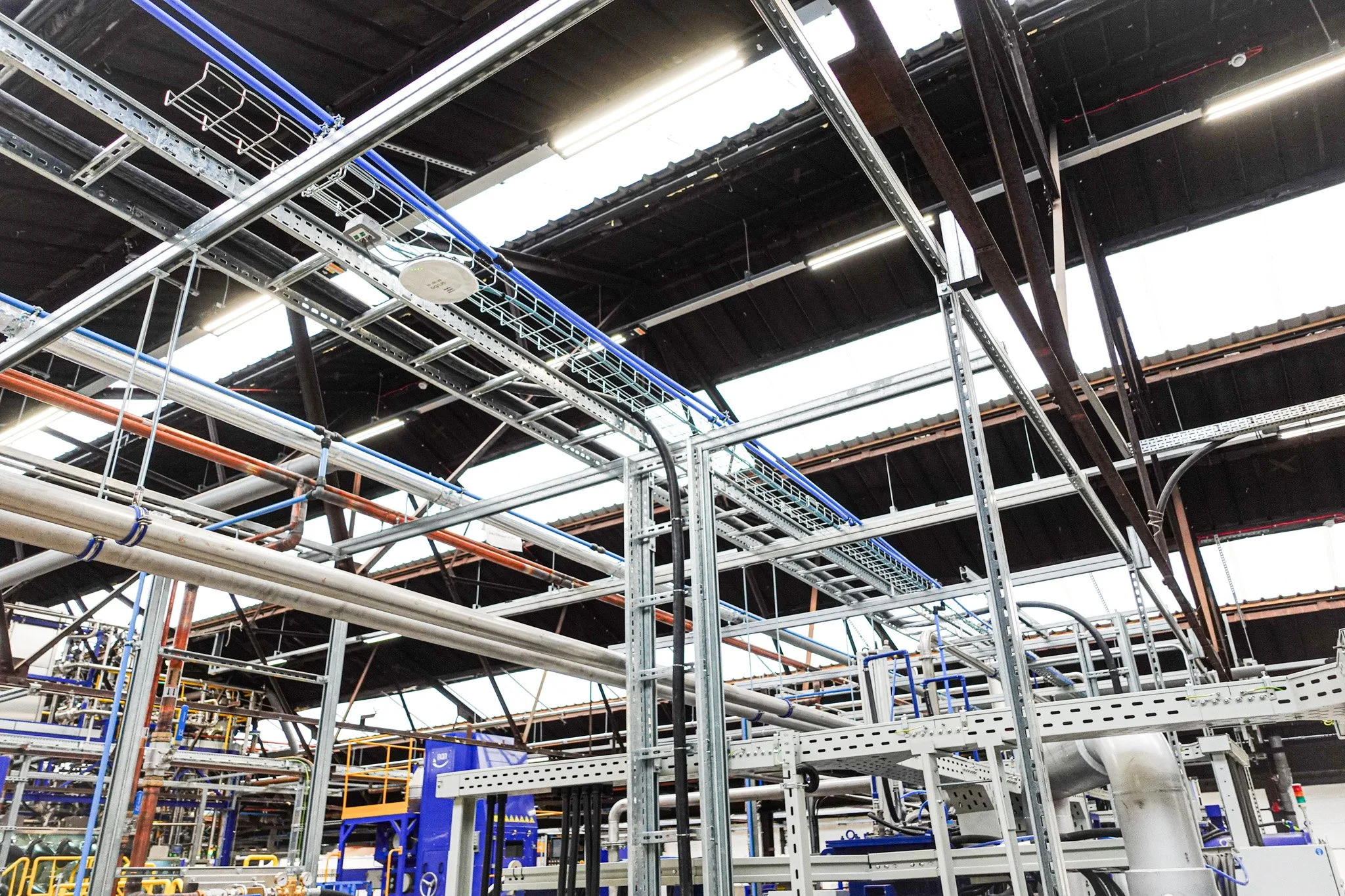
The electrical infrastructure required extensive modifications, including an upgrade to the high-voltage network to meet the power demands of specialist equipment. Mechanical systems also needed careful design, with the provision of gases such as oxygen, nitrogen, hydrogen, and argon being critical to the manufacturing process. This included installing a large liquid nitrogen storage tank, along with new compressed air systems, to ensure continuity of supply to the end-user loads.
Alongside these systems, we integrated a new local exhaust ventilation network and a coordinated flue exhaust system, safeguarding operational safety while maintaining efficiency. Gas detection systems were introduced to monitor and manage the use of hydrogen and other specialist gases, ensuring compliance with the highest safety standards. The facility also required a new data network, connected back to the University’s main campus, to allow monitoring and integration with wider estate systems.
Lighting was modernised with energy-efficient LED fittings and intelligent controls, ensuring the warehouse not only met technical requirements but also supported sustainable operation in line with the University’s long-term goals.
Tackling complex challenges
Delivering a facility of this scale and uniqueness naturally presented challenges. As the first of its kind in the UK, some of the technical requirements and equipment data were not fully defined at the outset. This meant that design assumptions needed to be carefully reviewed and refined as the project progressed. Working closely with the client team, we established a clear and structured change control process, that ensured evolving requirements were understood and managed collaboratively. This proactive approach helped keep the project aligned with programme and cost expectations, while allowing the flexibility needed for such an innovative scheme.
The installation of large-diameter metal pipework also presented a unique test. With pipes up to 150 millimetres in diameter required to deliver gases at pressures of up to 14 bar, sourcing the right skillset was critical. Specialist welders were engaged early in the process to ensure the pipework was installed to the highest quality standards. This collaborative approach, bringing the right people on board at the right time, was a key factor in the project’s success.
Driving innovation for clean energy
The significance of this project lies not only in the delivery of a complex refurbishment, but also in the contribution it makes to the UK’s clean energy transition. Rare earth magnets are a cornerstone of emerging low-carbon technologies, and the ability to recycle them domestically at scale is a game changer for sustainability and supply chain resilience.
To ensure the facility could safely support large-scale hydrogen use, DSEAR assessments were carried out in line with Health and Safety Executive guidance. An independent flue exhaust structure was developed, combining exhausts from various machines into a coordinated system, while maintaining compliance and safety standards.
Nitrogen recirculation systems were designed using a closed-loop approach, reducing waste and improving efficiency in the use of high-pressure nitrogen, which forms a critical part of the HPMS process. Independent CFD modelling was also undertaken to determine the appropriate flue stack height for the building, balancing technical requirements with environmental and planning considerations.
By embedding these solutions, the project not only created a facility capable of supporting world-leading research and development, but also delivered a safe, efficient, and future-proofed environment for innovation.
Collaboration at the core
From the outset, it was clear that the specialist nature of the facility required clear communication and teamwork. Early involvement of subcontractors with the right expertise ensured that technical challenges were addressed proactively. Regular workshops with the client team allowed design assumptions to be tested and refined, reducing the risk of surprises further down the line.
This collaborative ethos extended beyond technical delivery. By aligning with the vision of Tyseley Energy Park to become a hub for clean energy innovation, the project team was able to work towards shared goals that stretched beyond the immediate refurbishment. The facility stands as a platform for research, collaboration, and community engagement, aligning with Birmingham’s wider ambitions to decarbonise heat, power, and transport.
Key outcomes
1,200m² refurbished warehouse transformed into a rare earth recycling facility
88% less energy required compared to primary magnet production
First UK facility for large-scale rare earth magnet recycling
Supports clean energy technologies including EVs and wind turbines
Enhances the UK’s resilience in critical materials supply
Want to find out how we could support your project? Visit our services page.